All Research Peptides
Complete catalog of laboratory-grade research peptides. Every batch is HPLC-tested to ≥99% purity with certificates of analysis and technical documentation included.
What Are Research Peptides
Research peptides are short chains of amino acids used extensively in laboratory and scientific investigation. Unlike proteins, which contain 50 or more amino acids, peptides typically consist of 2 to 50 amino acid residues linked by peptide bonds. These compounds serve as essential tools for studying cellular signaling pathways, receptor interactions, and biochemical mechanisms in controlled experimental settings.
Laboratory peptides enable researchers to investigate specific biological processes with precision. By synthesizing peptides that mimic natural signaling molecules, scientists can study receptor binding affinities, enzymatic activities, and cellular responses under reproducible conditions. This makes research peptides invaluable for advancing understanding in fields ranging from neuroscience to metabolic research.
How Research Peptides Are Synthesized
Modern peptide synthesis primarily employs solid-phase peptide synthesis (SPPS), a method developed by Bruce Merrifield that revolutionized the field. In SPPS, amino acids are sequentially attached to an insoluble resin support, with each addition cycle involving deprotection, coupling, and washing steps. This approach allows for efficient purification between steps and produces high-purity lyophilized peptide powder suitable for research applications.
The synthesis process begins with the C-terminal amino acid anchored to the resin. Protective groups on the amino acid side chains prevent unwanted reactions during chain elongation. After the complete sequence is assembled, the peptide is cleaved from the resin and undergoes purification—typically through high-performance liquid chromatography—to achieve the purity levels required for scientific investigation.
HPLC Testing and Certificate of Analysis
High-performance liquid chromatography (HPLC) serves as the gold standard for peptide purity verification. This analytical technique separates mixture components based on their interactions with a stationary phase and mobile solvent, producing chromatograms that reveal both purity percentages and potential impurities. All HPLC tested peptides in our catalog undergo rigorous analytical verification.
Each certificate of analysis documents critical quality parameters including purity percentage (typically ≥99%), molecular weight confirmation via mass spectrometry, amino acid sequence verification, and appearance characteristics. Certificate of analysis peptides provide researchers with the documentation needed for experimental reproducibility and regulatory compliance in institutional settings.
How to Store Lyophilized Peptides
Proper storage of lyophilized peptide powder is essential for maintaining compound integrity. Unreconstituted peptides should be stored at -20°C or colder, protected from light and moisture. Under these conditions, most research peptides remain stable for 24 months or longer. The lyophilization process removes water content, creating a stable powder form that resists degradation when stored correctly.
Once reconstituted, peptide solutions require more careful handling. Reconstituted peptides should be stored at 2-8°C for short-term use (typically 2-4 weeks) or aliquoted and frozen at -20°C for extended storage. Repeated freeze-thaw cycles should be avoided as they can cause peptide aggregation and degradation. For detailed guidance, see our handling and storage protocols.
Overview of Peptide Categories
Research peptides span diverse functional categories based on their target pathways and mechanisms of action. Metabolic research peptides include compounds targeting glucose regulation and energy homeostasis. Neuropeptides encompass molecules involved in neurological signaling and cognitive function. Tissue research peptides focus on cellular repair mechanisms and structural integrity.
Additional categories include growth hormone releasing peptides that interact with the somatotropic axis, longevity research peptides investigated for their effects on cellular senescence, melanocortin system peptides that modulate pigmentation and appetite pathways, and antimicrobial peptides studied for their membrane-disrupting properties. Each category serves distinct research applications in peptides for in vitro research.
Difference Between GLP-1, GIP, and GHRP Peptides
GLP-1 (glucagon-like peptide-1) agonists such as Semaglutide and Tirzepatide target incretin receptors involved in glucose-dependent insulin secretion. These peptides have become central to metabolic research due to their effects on glycemic control and satiety signaling. GIP (glucose-dependent insulinotropic polypeptide) agonists work synergistically with GLP-1, and dual agonists like Tirzepatide target both pathways.
GHRP (growth hormone releasing peptides) operate through entirely different mechanisms, primarily stimulating the ghrelin receptor to promote growth hormone secretion from the pituitary. Compounds like Ipamorelin and CJC-1295 are studied for their effects on the somatotropic axis. Understanding these distinctions is crucial for researchers selecting appropriate compounds for their experimental protocols.
Laboratory Compliance Notice
All bulk research peptides supplied through this catalog are intended exclusively for laboratory research and in vitro experimentation. These materials are not approved for human consumption, veterinary use, or diagnostic procedures. Researchers must adhere to institutional biosafety protocols, applicable regulations, and ethical guidelines governing the use of research materials.
Documentation including certificates of analysis, material safety data sheets, and technical specifications are provided to support compliant research practices. Institutions requiring additional documentation for regulatory purposes may contact our technical support team.
Research Peptide Categories
Metabolic Research Peptides
Peptides targeting glucose regulation, insulin signaling, and energy homeostasis pathways. This category includes GLP-1 receptor agonists like Semaglutide and dual GLP-1/GIP agonists such as Tirzepatide and Retatrutide, studied for their effects on metabolic function in laboratory models.
View Metabolic Peptides →Neuropeptides
Compounds involved in neurological signaling, cognitive function, and neuromodulation. Research in this category explores peptides affecting memory consolidation, neuroprotection, and synaptic plasticity using in vitro and cellular models.
View Neuropeptides →Tissue Research Peptides
Peptides investigated for cellular repair mechanisms, tissue regeneration, and structural integrity. BPC-157 and TB-500 are extensively studied in this category for their effects on tissue-related cellular processes.
View Tissue Peptides →Growth Hormone Releasing Peptides
Secretagogues targeting the somatotropic axis and growth hormone release pathways. Compounds like Ipamorelin, CJC-1295 DAC, and GHRP-6 are studied for their effects on GH secretion dynamics in research settings.
View GH Peptides →Longevity Research Peptides
Peptides investigated for effects on cellular senescence, mitochondrial function, and age-related pathways. This emerging research area explores compounds that may influence cellular aging mechanisms in laboratory models.
View Longevity Peptides →Melanocortin System Peptides
Compounds targeting melanocortin receptors involved in pigmentation, appetite regulation, and sexual function pathways. PT-141 and Melanotan variants are primary research subjects in this category.
View Melanocortin Peptides →Antimicrobial Peptides
Peptides studied for membrane-disrupting properties and antimicrobial mechanisms. LL-37 and related compounds are investigated for their interactions with bacterial membranes in microbiological research.
View Antimicrobial Peptides →Frequently Asked Questions
Are these peptides for human use?
No. All peptides in this catalog are supplied exclusively for laboratory research, in vitro experimentation, and scientific investigation. These materials are not intended for human consumption, veterinary use, or diagnostic procedures. Researchers must comply with applicable institutional and regulatory requirements.

How are peptides tested?
Every batch undergoes high-performance liquid chromatography (HPLC) analysis to verify purity levels. Mass spectrometry confirms molecular weight and amino acid sequence accuracy. Results are documented in certificates of analysis provided with each order.
What does 99% purity mean?
Purity percentage indicates the proportion of the target peptide relative to total material content, as measured by HPLC. A ≥99% purity specification means at least 99% of the sample consists of the intended peptide sequence, with less than 1% comprising synthesis-related impurities or degradation products.
How should peptides be stored?
Lyophilized (freeze-dried) peptides should be stored at -20°C or colder, protected from light and moisture. Under proper conditions, unreconstituted peptides remain stable for 24+ months. Reconstituted solutions should be refrigerated at 2-8°C for short-term use or aliquoted and frozen for extended storage.
Do you provide Certificates of Analysis?
Yes. Every product ships with a certificate of analysis documenting HPLC purity, mass spectrometry verification, lot number, and manufacturing date. Certificates are also available for download from individual product pages and can be requested for specific lot numbers.
Browse All Research Peptides

5-Amino-1MQ
PH-5A1MQ-0015-Amino-1MQ is a high-purity (≥99%) small molecule NNMT inhibitor with a molecular weight of 188.

Adipotide
PH-ADIP-001Adipotide is a high-purity (≥99%) peptidomimetic compound with a molecular weight of 2465.

AHK-Cu
PH-AHKCU-001AHK-Cu (Alanine-Histidine-Lysine Copper) is a tripeptide-copper complex investigated in dermatological and cellular research models.
Out of StockAICAR
PH-AICAR-001AICAR (5-Aminoimidazole-4-carboxamide ribonucleoside) is a high-purity (≥99%) AMPK activator with a molecular weight of 258.

AOD-9604
PH-AOD-001AOD-9604 is a high-purity (≥99%) synthetic peptide fragment derived from the C-terminal region of human growth hormone, with a molecular weight of 1817.
Out of Stock
ARA-290
PH-ARA290-001ARA-290 is a high-purity (≥99%) erythropoietin-derived peptide with a molecular weight of 1257.

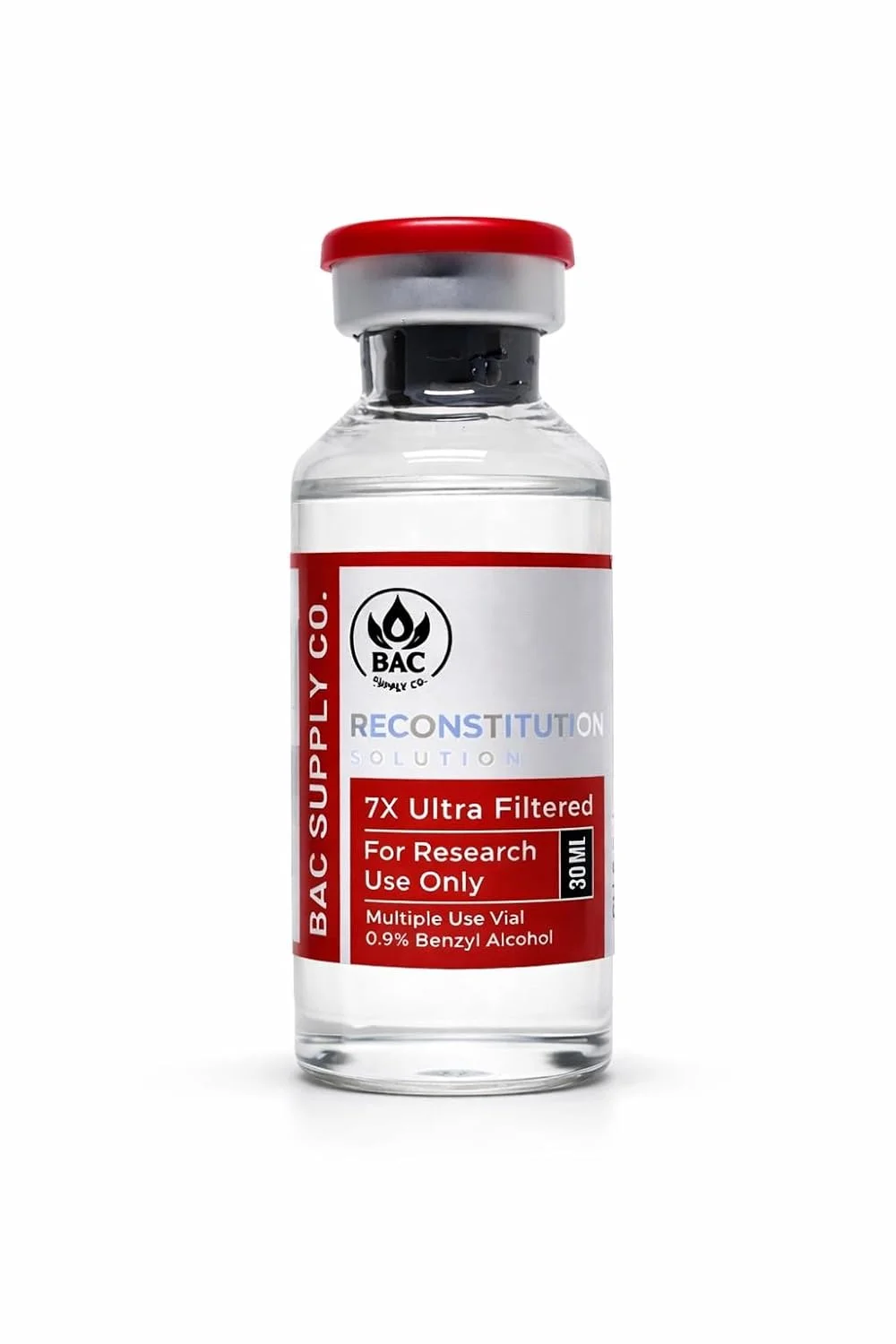
Bacteriostatic Water
PH-BACWBacteriostatic Water for injection (USP) is sterile, nonpyrogenic water containing 0.

BPC-157
PH-BPC157-001BPC-157 (Body Protection Compound-157) is a synthetic pentadecapeptide derived from human gastric juice proteins.

BPC-157 + TB-500
PH-BPCTB-001BPC-157 + TB-500 Blend is a high-purity (≥99%) combination of two complementary tissue repair peptides.

Cerebrolysin
PH-CERE-001Cerebrolysin is a high-purity (≥99%) neuropeptide preparation derived from porcine brain tissue, containing a complex mixture of low molecular weight peptides and free amino acids.

CJC-1295
PH-CJC1295-001CJC-1295 is a high-purity (≥99%) synthetic 30-amino acid peptide analog of growth hormone-releasing hormone (GHRH) with a molecular weight of 3367.

CJC-1295 + Ipamorelin Blend
PH-CJCIPA-001CJC-1295 + Ipamorelin Blend is a high-purity (≥99%) combination of GHRH analog and GHRP for synergistic growth hormone research.

Epithalon
PH-EPITH-001Epithalon (Epitalon) is a high-purity (≥99%) synthetic tetrapeptide with a molecular weight of 390.
Follistatin-344
PH-FST344Follistatin-344 is a research-grade recombinant protein (≥98% purity) with a molecular weight of approximately 38 kDa.

FOXO4-DRI
PH-FOXO4-001FOXO4-DRI is a high-purity (≥99%) D-retro-inverso peptide with a molecular weight of 3400 Da.
Out of Stock
GHK-Cu
PH-GHKCU-001GHK-Cu (Copper Tripeptide-1) is a high-purity (≥99%) copper-peptide complex with a molecular weight of 403.

GHRP-2
PH-GHRP2-001GHRP-2 (Growth Hormone Releasing Peptide-2) is a high-purity (≥99%) hexapeptide with a molecular weight of 817.

GHRP-6
PH-GHRP6-001GHRP-6 (Growth Hormone Releasing Peptide-6) is a high-purity (≥99%) hexapeptide with a molecular weight of 873.

Glow
PH-GLOWPB-01Glow is a high-purity multi-peptide research blend containing GHK-Cu (59mg), BPC-157 (10.

Gonadorelin
PH-GONA-001Gonadorelin is a high-purity (≥99%) decapeptide with a molecular weight of 1182.
Out of Stock
Hexarelin
PH-HEX-001Hexarelin is a high-purity (≥99%) growth hormone secretagogue with a molecular weight of 887.
Out of Stock
HGH Fragment 176-191
PH-FRAG-001HGH Fragment 176-191 is a high-purity (≥99%) synthetic peptide with a molecular weight of 1817.
HMG
PH-HMG-001Human Menopausal Gonadotropin (hMG) is a research hormone used in controlled laboratory studies.

Humanin
PH-HUM-001Humanin is a high-purity (≥99%) mitochondrial-derived peptide with a molecular weight of 2687.

IGF-1 DES
PH-IGFDES-001IGF-1 DES is a high-purity (≥99%) truncated insulin-like growth factor-1 with a molecular weight of 7365.

IGF-1 LR3
PH-IGF1LR3-001IGF-1 LR3 (Long R3 IGF-1) is a high-purity (≥99%) modified insulin-like growth factor-1 with a molecular weight of 9111.

Ipamorelin
PH-IPAM-001Ipamorelin is a high-purity (≥99%) selective growth hormone secretagogue with a molecular weight of 711.

Kisspeptin
PH-KISS-001Kisspeptin is a peptide hormone encoded by the KISS1 gene that plays a fundamental role in reproductive hormone regulation and gonadotropin-releasing hormone (GnRH) secretion.
Out of Stock
KPV Peptide
PH-KPV-001KPV is a high-purity (≥99%) tripeptide with a molecular weight of 357.

L-Carnitine
PH-LCAR-001L-Carnitine is a high-purity (99%) quaternary ammonium compound with a molecular weight of 161.

Lipo-C Formula
PH-LIPOC-001Lipo-C Formula is a high-purity (≥99%) metabolic research blend containing L-Carnitine, L-Arginine, Methionine, Inositol, and Choline.

LL-37
PH-LL37-001LL-37 is a high-purity (≥99%) human cathelicidin antimicrobial peptide with a molecular weight of 4493.

Melanotan I
PH-MT1-001Melanotan I (Afamelanotide) is a high-purity (≥99%) synthetic α-MSH analog with a molecular weight of 1646.

Melanotan II
PH-MT2-001Melanotan II is a high-purity (≥99%) cyclic melanocortin receptor agonist with a molecular weight of 1024.

MGF
PH-MGF-001MGF (Mechano Growth Factor) is a high-purity (≥99%) peptide with a molecular weight of 2867.
MIC B-12
PH-MICB12Super MIC B12 is a research-grade (≥98% purity) compound blend combining lipotropic factors with vitamin B12 for metabolic research applications.
MK-677
PH-MK677-001MK-677 (Ibutamoren) is a high-purity (≥99%) orally active growth hormone secretagogue with a molecular weight of 528.

Mod GRF 1-29
PH-MODGRF-001Mod GRF 1-29 (CJC-1295 without DAC) is a high-purity (≥99%) modified growth hormone-releasing hormone analog with a molecular weight of 3367.

MOTS-c
PH-MOTSC-001MOTS-c is an exceptionally pure (99.

NAD+
PH-NAD-001NAD+ (Nicotinamide Adenine Dinucleotide) is a critical coenzyme found in all living cells, essential for cellular energy metabolism and DNA repair mechanisms.
Oxytocin
PH-OXY-001Neuropeptide hormone studied for its role in social bonding, trust, and stress response research.

PE-22-28
PH-PE2228-001PE-22-28 is a high-purity (≥99%) Spadin analog with a molecular weight of 758.

PEG-MGF
PH-PEGMGF-001PEG-MGF (PEGylated Mechano Growth Factor) is a high-purity (≥99%) modified peptide with a molecular weight of approximately 5000 Da.

Pinealon
PH-PIN-001Pinealon is a high-purity (≥99%) tripeptide with a molecular weight of 357.

Retatrutide
PH-RETA-001Retatrutide (LY3437943) is a novel triple-agonist peptide developed by Eli Lilly that simultaneously targets glucagon-like peptide-1 (GLP-1), glucose-dependent insulinotropic polypeptide (GIP), and glucagon receptors.

Selank
PH-SELANK-001Selank is an exceptionally pure (99.

Semaglutide
PH-SEMA-001Semaglutide is a GLP-1 receptor agonist peptide widely used in metabolic and endocrine research.

Semax
PH-SEMAX-001Semax is an exceptionally pure (99.

Sermorelin
PH-SERM-001Sermorelin is a high-purity (≥99%) synthetic GHRH(1-29)NH2 analog with a molecular weight of 3357.

SLU-PP-332
PH-SLUPP-001SLU-PP-332 is a high-purity (≥99%) small molecule ERRα/γ agonist studied in metabolic and exercise mimetic research.

SNAP-8
PH-SNAP8-001SNAP-8 (Acetyl Octapeptide-3) is a high-purity (≥99%) synthetic peptide with a molecular weight of 1075.

SS-31 (Elamipretide)
PH-SS31-001SS-31 (Elamipretide) is an exceptionally pure (99.

TB-500
PH-TB500-001TB-500 is an exceptionally pure (99.

Tesamorelin + Ipamorelin
PH-TESA-IPA-001Tesamorelin + Ipamorelin Blend (99%+ purity) combines 10mg Tesamorelin (5135.

Thymosin Alpha-1
PH-TA1-001Thymosin Alpha-1 is a high-purity (≥99%) 28-amino acid thymic peptide with a molecular weight of 3108.

Thymulin
PH-THYM-001Thymulin is a high-purity (≥99%) thymic nonapeptide with a molecular weight of 847.

Tirzepatide
PH-TIRZ-001Tirzepatide is a dual GIP/GLP-1 receptor agonist peptide used extensively in metabolic and endocrine research.
Research Use Notice
All products are supplied exclusively for laboratory research purposes. These materials are not intended for human or veterinary use, diagnostic procedures, or clinical applications. Researchers must ensure compliance with applicable institutional and regulatory requirements.